
What actually influences our immune system
There is no single lab value that reliably indicates how "strong" a person's immune system is. Nor can immune function be reduced to taking individual vitamins. For healthy individuals without specific complaints, comprehensive immune diagnostics are generally not necessary. However, anyone who suffers from infections unusually often, with particular severity, or for an above-average duration should have potential causes investigated by a doctor. Depending on the medical history, a complete blood count with a differential, selected inflammation markers, or an examination for potential nutrient deficiencies may be useful. This does not mean, however, that all these parameters should be routinely measured for everyone or that high-dose supplementation should be taken without a medical indication.
Which tests are appropriate depends on diet, symptoms, pre-existing conditions, and individual risk factors. In cases of a notable history of infections, more targeted immunological diagnostics—such as checking immunoglobulins like IgG, IgA, and IgM—may also be useful. The goal of modern preventive medicine is not to measure as many values as possible, but to identify relevant risk factors and deficiencies in order to derive targeted measures.

Nutrition, protein, and the intestinal barrier
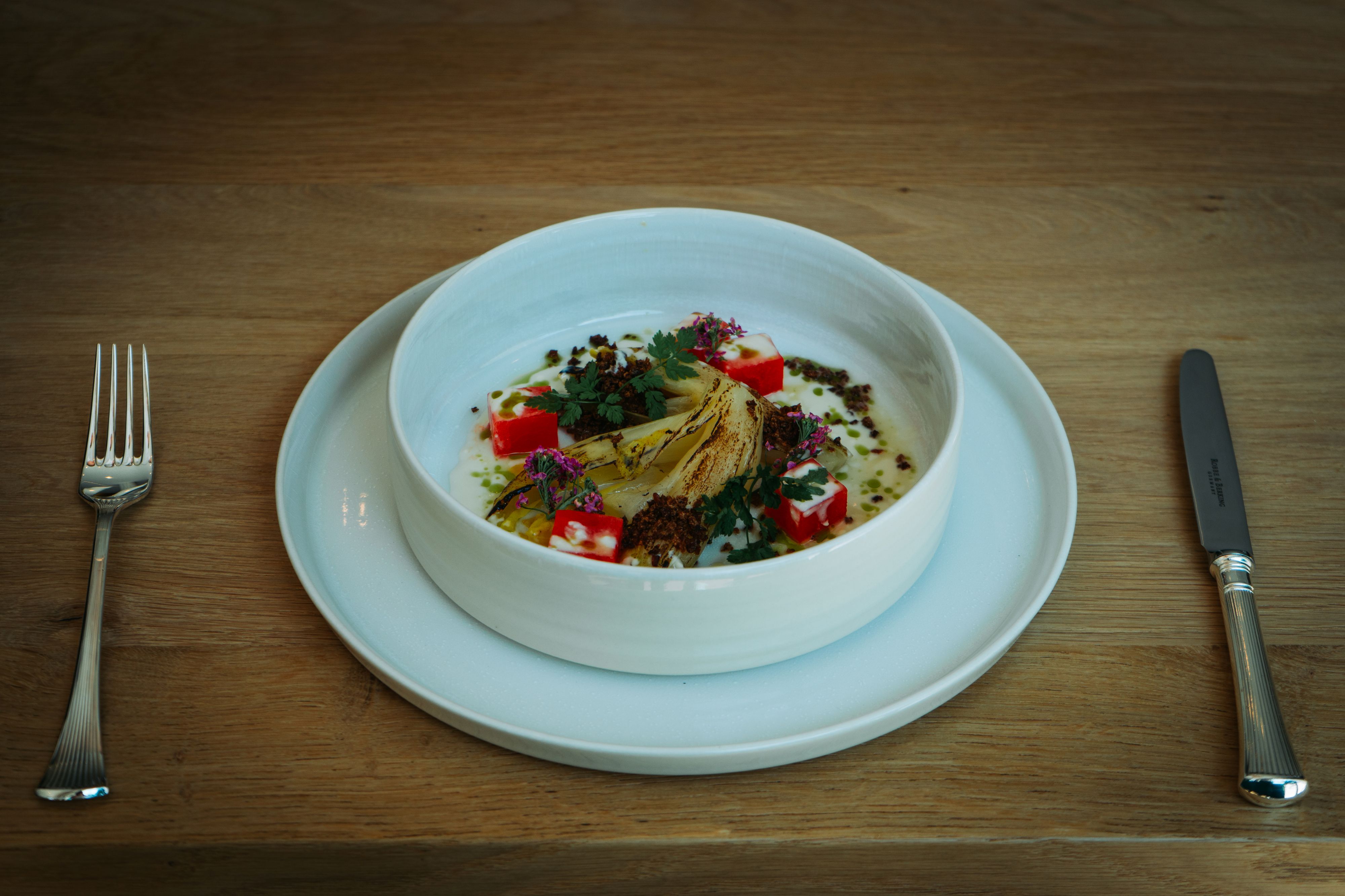
Normal immune function requires an adequate supply of energy and nutrients. The foundation is therefore a varied, predominantly plant-based diet consisting of vegetables, fruit, legumes, whole grains, and nuts/seeds. In addition to micronutrients, this provides fiber and phytochemicals, which interact with the gut microbiome and intestinal barrier, among other things. Sufficient protein intake is also important. Amino acids are not only needed to maintain muscle mass, but are also the basis for the formation and function of antibodies, enzymes, and various signaling proteins. Protein does not have to come primarily from meat. Legumes, soy products, nuts, seeds, and other plant-based protein sources can ensure an optimal protein supply. The quality of fats also plays an important role. The long-chain omega-3 fatty acids EPA and DHA are particularly relevant. They are components of cell membranes and precursors to various messenger substances, influencing the function of various immune cells and the balance between necessary defense reactions and inflammatory processes. An overall balanced fat intake and the entire dietary pattern remain decisive. Individual fatty acids, foods, or dietary supplements are not isolated "immune boosters."
Fasting and autophagy: What do we really know?
Intermittent fasting and time-restricted eating are also interesting from an immunological perspective because the withdrawal of nutrients influences metabolic and nutrient signaling pathways. Autophagy is frequently discussed in this context. It is a cellular recycling and quality control process in which cell components that are no longer needed or are damaged are broken down and partially recycled. Autophagy contributes to cellular homeostasis and is also linked to various processes of immune regulation.
We have known for some time from cell and animal models that nutrient restriction influences signaling pathways such as AMPK and mTOR, which are linked to autophagy. There is now also initial data from humans. A randomized study published in 2025 analyzed autophagic flux in people with obesity. The results suggest that intermittent fasting combined with time-restricted eating could influence autophagic flux in humans (Bensalem et al., 2025). The findings are interesting, but do not yet allow for any conclusions about how long people should fast for "optimal autophagy." For suitable individuals, it can be part of a metabolically sensible lifestyle that could have an indirect positive effect on the immune system.
Muscles, movement, and recovery
Muscles are much more than just a locomotor system: they also function as a secretory organ, releasing messenger substances known as myokines during physical activity. These include various interleukins—signaling proteins that, among other things, regulate immune and inflammatory processes. In the long term, regular physical activity is associated with better regulation of low-grade systemic inflammation.
The key is the interplay between training stimulus and sufficient recovery, which is just as important a factor as the training itself. Training is initially a physiological stressor. Positive adaptation requires adequate rest, sleep, and appropriate energy and protein intake. Conversely, high training loads combined with a lack of sleep, insufficient energy, and inadequate recovery can be counterproductive.
Sleep and stress: two key factors for your immune system
Chronic stress is often underestimated when it comes to fighting off infections. Controlled virus exposure studies are particularly revealing. In a classic study, healthy participants were deliberately exposed to various respiratory viruses. As psychological stress levels increased, so did both the likelihood of a confirmed infection and the risk of actually developing a clinical cold (Cohen, Tyrrell & Smith, 1991). Stress does not affect immune function in isolation; the nervous system, hormonal stress axes, metabolism, sleep, and immune regulation are all closely interconnected. Sleep is equally important. Getting enough regular sleep supports recovery and various levels of immune regulation. If you want to improve your immune defense in the long term, you should look beyond just diet and exercise and ask yourself: How well is my body able to recover between periods of stress?
.jpg)
Sauna, ice baths, and supplements – what actually works?
Regular sauna use is interesting from a health perspective. In a controlled study of 50 participants over six months, the sauna group experienced significantly fewer cold episodes. However, the duration and severity of the colds did not differ significantly (Ernst et al., 1990). Due to the small sample size, this study alone is not enough to consider sauna use a reliable method for infection prevention.
One should also be cautious regarding ice baths and cold-water immersion. A recent systematic review and meta-analysis found no significant positive effect on measured immune function immediately following cold exposure (Cain et al., 2025). However, cold-water immersion may have time-dependent positive effects on stress levels, as well as potentially on sleep quality and well-being. Supplements should also be viewed with nuance. For zinc, a current Cochrane analysis shows that preventive intake likely does little or nothing to prevent colds. Zinc taken to treat a cold may potentially shorten the duration of symptoms by about two days compared to a placebo. However, the certainty of this finding is limited due to the heterogeneous nature of the studies (Nault et al., 2024). Regular vitamin C intake likely does not prevent colds in the general population, though it may slightly shorten their duration. For individuals exposed to extreme physical stress for short periods, vitamin C could significantly reduce the risk of catching a cold. Overall, there is no consistent evidence for taking it only after symptoms begin. However, one large study of adults reported a benefit from a single 8 g dose of vitamin C taken immediately at the onset of symptoms. Two therapeutic studies in which vitamin C was taken over five days also showed positive effects. Due to the limited body of research, further investigation is required (Hemilä & Chalker, 2013).
At the Buff Medical Resort, we translate these findings into an individually tailored prevention concept. In addition to regular sauna sessions and breathing therapies to regulate the autonomic nervous system, osteopathic, physiotherapeutic, and fascial treatments can support recovery: they help reduce muscular tension, improve mobility and respiratory mechanics, and thereby create the right conditions for restful sleep and regular physical activity. Additionally, HRV measurements can provide insights into the balance between strain and recovery. Individual nutritional counseling, F. X. Mayr medicine, and targeted support for gut health address further factors relevant to normal immune function. Supplements or infusions are not used as a blanket approach, but are selected by a physician based on personal medical history and clinical findings.
Conclusion: True resilience is built over the long term
A robust immune system is not built in a few days, nor through a single supplement. Autumn can therefore be a good time to take a structured approach to prevention: identifying individual risk factors, pinpointing medically relevant deficiencies, and working specifically on the factors that truly influence our immune function in the long run.
FAQ
Does fasting activate autophagy?
Initial human data now suggests that intermittent fasting may influence autophagic flux (Bensalem et al., 2025). However, there is no evidence to support optimal fasting durations or a resulting protection against infections.
Do saunas or ice baths strengthen the immune system?
Both provide physiological stimuli. While there is some interesting initial data on saunas (Ernst et al., 1990), no convincing immediate positive effect on immune function has been demonstrated for cold water exposure to date (Cain et al., 2025). However, cold water immersion may have time-dependent positive effects on this, as well as potential benefits for sleep quality and overall well-being.
Can vitamin C or zinc help with a cold?
Zinc may potentially shorten the duration of an existing cold (Nault et al., 2024). For individuals undergoing short-term extreme physical stress, such as marathon runners, vitamin C can reduce the risk of catching a cold. Some individual studies have also shown benefits from taking 8 g at the onset of symptoms or over a five-day period. Overall, however, the evidence is inconclusive (Hemilä & Chalker, 2013).
.jpg)




.svg)