Clinic for Preventive Medicine · Buff Medical Resort
MRI Examination of the Heart
More than a conventional cardiac MRI
What is a cardiac MRI?
Cardiac magnetic resonance imaging (MRI) allows a detailed assessment of the heart muscle, its function, its tissue structure and – depending on the examination protocol – its blood supply.
At Buff Medical Resort, modern techniques such as mapping and three-dimensional motion analysis are used alongside established MRI sequences. They can provide indications of changes that conventional baseline diagnostics do not always capture sufficiently.
Depending on the question, examination protocols are also possible that work without stress medication or contrast agent. Whether such a protocol is medically suitable is decided by the responsible cardiologist.
Medical responsibility
Who is responsible for the examination
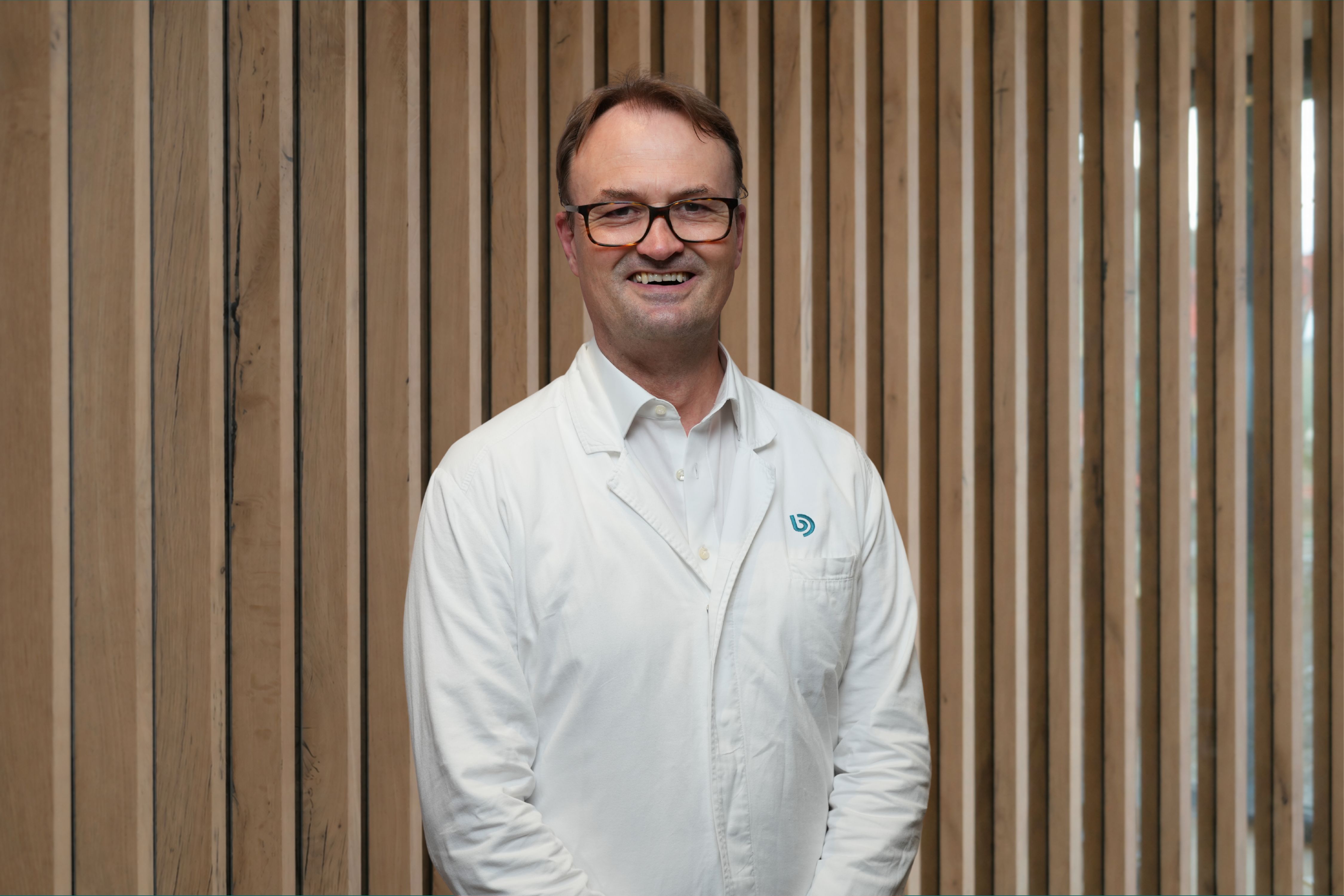
Prof. Dr. med. Henning Steen
Prof. Dr. med. Henning Steen is a specialist in internal medicine and cardiology with many years of clinical and scientific experience in cardiac imaging. At the University of Heidelberg he was involved in establishing the cardiac MRI department and led it both clinically and scientifically. His particular expertise lies in modern cardiac MRI techniques, with which even early changes in cardiac function and heart muscle tissue can be examined in detail.
More about Prof. Steen →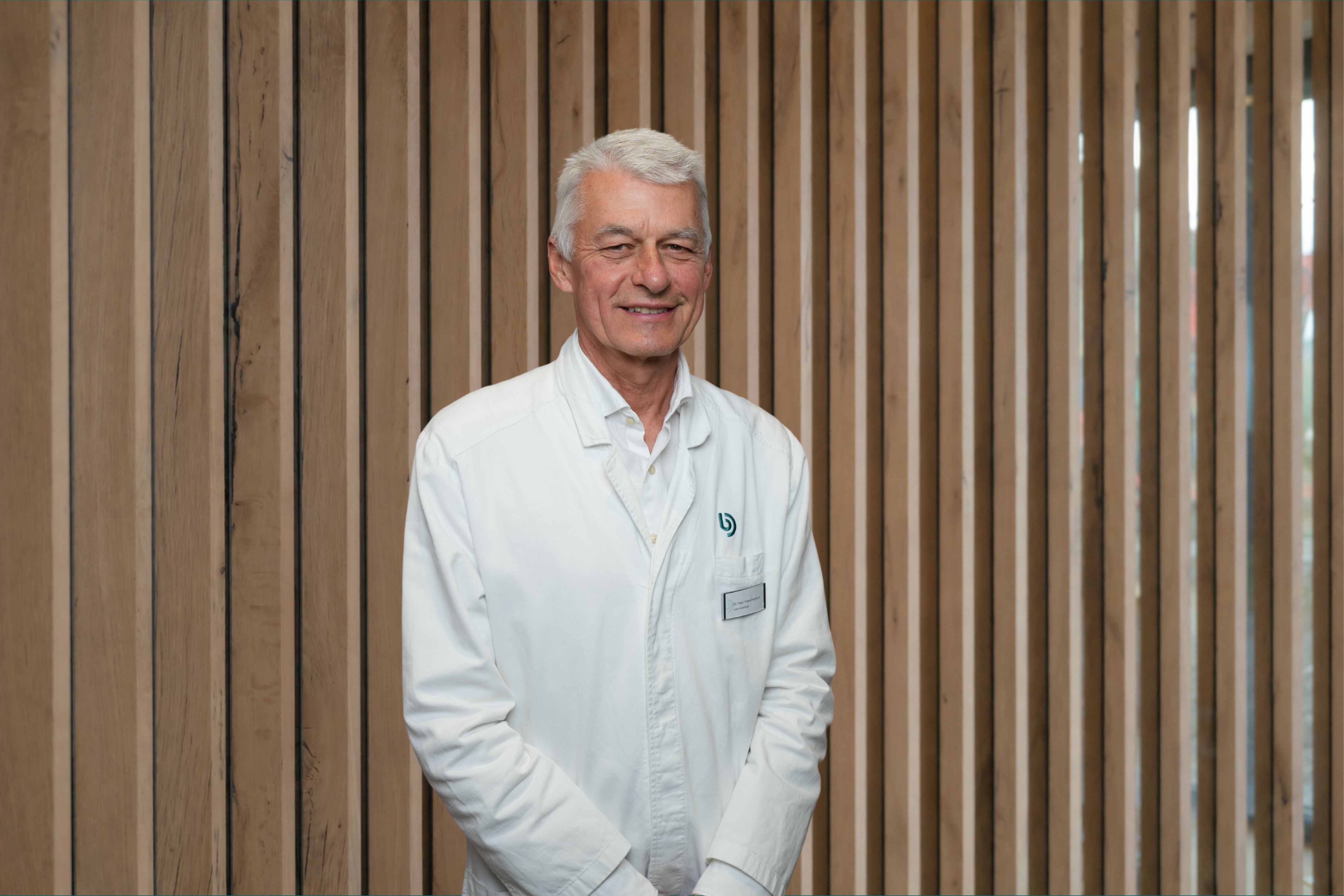
Dr. med. Frank Hamann
Dr. med. Frank Hamann is a specialist in internal medicine and cardiology and has more than 25 years of experience in cardiac medicine. As Head of Cardiology he combines his broad expertise in general and interventional cardiology with a particular focus on prevention and the early detection of cardiovascular risks. His profile is rounded out by his additional qualification in F.X. Mayr medicine.
More about Dr. Hamann →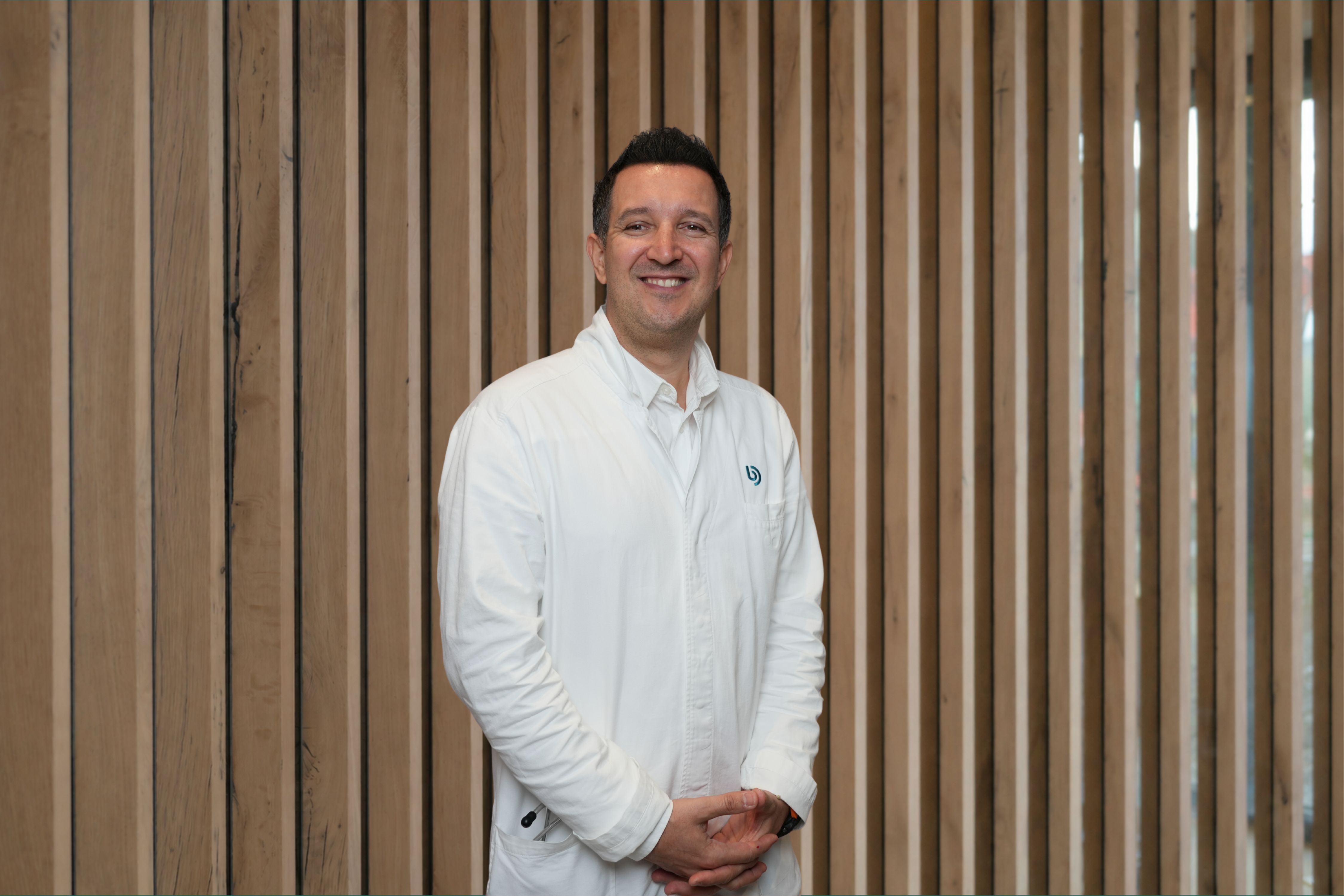
Dr. medic Tihamér Molnar
Dr. medic Tihamér Molnar is a specialist in internal medicine and cardiology and Deputy Medical Director of Buff Medical Resort. His particular expertise lies in non-invasive cardiac diagnostics including cardiac MRI, in sports cardiology and in cardiovascular prevention. With corresponding additional qualifications from the German Cardiac Society, he combines a differentiated assessment of risk with the aim of preserving cardiac health and physical performance over the long term.
More about Dr. Molnar →Interview
Why is prevention so important? An interview with Prof. Dr. Steen.
Many cardiovascular conditions do not arise suddenly. First changes may already be present even though a person feels healthy, performs well in everyday life and has had unremarkable examinations up to now.
Modern examination methods can provide indications of such early changes. In this context Prof. Steen speaks of subclinical changes: the heart may already no longer be working entirely normally without typical symptoms occurring.
This is precisely where cardiological prevention begins. When personal risks and first abnormalities are known, it becomes easier to judge whether further examinations, or changes to exercise, nutrition, lifestyle or medication, are advisable. The aim is not to treat healthy people prematurely, but to recognise developments before they turn into a clearly perceptible heart condition.
Indications
When is a cardiac MRI advisable?
When previous findings leave questions open
A cardiac MRI is not a blanket examination for everyone. It is used when a concrete cardiological question exists and MRI imaging can be expected to provide additional, therapeutically relevant information.
Unclear symptoms
For example, in cases of recurring chest complaints, shortness of breath, conspicuous fatigability or an unexplained decline in physical resilience.
Suspected inflammation of the heart muscle
When symptoms, laboratory values, ECG or ultrasound point to a current or past inflammation of the heart muscle.
Suspected heart muscle disease
For the differentiated clarification of possible cardiomyopathies, for instance where cardiac function is conspicuous, or in cases of arrhythmia or family history.
Possible circulatory disorder
When it is to be clarified whether the heart muscle is sufficiently supplied with blood and oxygen under exertion.
Scarring and past damage to the heart
To assess whether heart muscle tissue has been altered by an earlier infarction, an inflammation or other processes.
Known heart condition
For a more precise classification or follow-up of conditions already diagnosed, provided the result can have consequences for further treatment.
Conspicuous or contradictory previous findings
When ECG, ultrasound, laboratory values or other examinations do not produce a clear overall picture.
Which question would you like to clarify about your heart?
Tell us your concern and send any existing findings. Our team reviews the organisational requirements and coordinates your medical question with the cardiology department.
Further services
Further cardiological services
3D heart check with AI – Cardisio
In cardisiography, five electrodes record the electrical activity of the heart over several minutes. The signals are then evaluated spatially with software and AI support.
The short, non-invasive examination offers an uncomplicated entry into cardiac prevention. It can provide indications of conspicuous electrical patterns and help to judge the need for further cardiological diagnostics.
More information →Autonomic nervous system analysis (ANS)
Even a healthy heart does not beat entirely evenly. The intervals between individual heartbeats change continuously and are influenced, among other things, by the autonomic nervous system.
HRV measurement examines these fine differences. It allows insight into the regulation between activation and recovery, and so complements the purely cardiological view with the response of the whole organism.
More information →Long-term blood pressure measurement and ECG
Some changes occur only occasionally or in particular everyday situations. A short examination at rest can therefore not always capture them.
Long-term measurements record heart rhythm or blood pressure over an extended period. This makes visible how the values change during activity, during recovery and in sleep.
More information (ECG) →More information (blood pressure) →Spiroergometry
In spiroergometry, breathing, oxygen uptake, cardiovascular response and further performance values are measured during controlled physical exertion.
The results help to classify individual resilience and to understand better how heart, lungs, circulation and musculature work together. Medical recommendations and suitable training zones can be derived from them.
More information →Ultrasound of the heart and vessels
Echocardiography shows the heart while it is working. Among other things, it allows assessment of heart size, pumping motion and heart valves.
An ultrasound examination of the carotid vessels can – where it is medically appropriate – provide additional information about vessel walls and blood flow. Neither examination involves exposure to radiation.
More information (echocardiography) →More information (carotid ultrasound) →Related areas
Thinking cardiac health further
The heart does not work in isolation. How well the circulation can adapt to exertion and recovery also depends on the nervous system, on breathing, on metabolism, on the musculature and on nutrition. A single measurement therefore only ever shows one part. A more precise picture emerges only in conjunction with individual symptoms, laboratory values and further examination results.
No rigid programme follows from this that would suit every person equally. It is a matter of recognising individual connections and possible early changes.
It can then be decided together which steps in exercise, nutrition, recovery or medical support are genuinely advisable.
What does metabolism have to do with cardiac performance?
The heart muscle works without pause and needs a continuous supply of energy to do so. How well the body processes nutrients and provides energy therefore also influences how the heart and circulation respond to exertion and recover afterwards.
In a cardiological assessment it can therefore be sensible to consider metabolism and the energy balance as well. This applies in particular when performance declines, when recovery takes longer, or when symptoms cannot be explained by the heart alone. Which connections should be examined more closely depends on the individual situation.
Energy and metabolism →
What role does nutrition play?
What we eat and drink every day influences the energy supply, the metabolism and with it the processes that are relevant for the heart and vessels. Nutrition, however, is difficult to generalise about. What one person tolerates well and can manage in everyday life need not be suitable for another.
Nutrition according to a rigid plan is therefore not the answer. What matters is taking account of the individual metabolic situation, existing symptoms and personal tolerances, and deriving from these changes that can be sustained over the long term.
Nutrition →
What does my gut have to do with cardiac health?
Digestion begins with chewing. How well food is then processed in the stomach and intestine influences the absorption of nutrients and various metabolic processes. Disturbances in the digestive system can be associated with inflammatory and metabolic changes that may also be relevant for the heart and circulation.
In F.X. Mayr medicine the gut is therefore regarded figuratively as the “root of the human plant”. Where symptoms or examination results point to it, it can be sensible to include digestive function and gut health in the wider assessment.
Gut and microbiome →
Reserve your stay at Buff Medical Resort and experience modern preventive medicine in a calm, sheltered atmosphere.
Book your stayWe will be glad to advise you personally on our health programmes and to plan your stay around your needs.


Holistic diagnostics and state-of-the-art procedures: At the heart of our medical work is the individual — and the precise analysis of their state of health. With specialized Cardio-MRI diagnostics for the early detection of cardiovascular risks, as well as cutting-edge imaging for brain health, we set the standard in preventive medicine. We also offer specialized treatments such as apheresis (blood purification) and chelation therapy to relieve and revitalize the body in a lasting way.
F.X. Mayr Cure & innovative cell regeneration: As a certified F.X. Mayr Prevent Center, we focus intensively on your gut health and metabolic balance. Our Longevity Cuisine and therapeutic fasting according to Dr. F.X. Mayr form the foundation for renewed vitality. What makes us truly unique is our concept of cell regeneration through simulated altitude: in our suites, you'll enjoy gentle altitude exposure that supports your mitochondrial health directly while you sleep.
An exclusive retreat for your health: Whether for targeted burnout prevention (BuffMed Vitality), enhancing athletic performance (BuffMed Sports), or a comprehensive health check (BuffMed Advanced) — our individually tailored health programs provide the ideal setting for a long and healthy life. Experience world-class medicine, yoga, and personal training in a prime lakeside location on Lake Constance.


.svg)