What is early cardiac diagnostics?
Early cardiac diagnostics means examining the heart in close details, not just when symptoms are noticeable, but before any issues arise. The goal is to better understand individual heart health, identify relevant connections in a timely manner, and establish a solid foundation for prevention and medical decisions.
Unlike symptom-oriented cardiac analysis, this preventive approach focuses on what is silently developing before it even becomes clinically obvious. Atherosclerosis is considered a chronic progressive disease that begins early in life and develops slowly. Cumulative exposure to cardiovascular risk factors significantly increases lifetime risk [3]. This is not about alarmism, but about clarity, and thus about creating better conditions for resilience, safety, and quality of life.

Why Heart Health is Central to Preventive Medicine
The heart is closely linked to metabolism, sleep, recovery, stress levels, physical performance, and cellular energy. Chronic stress, lack of sleep, metabolic imbalances, and sustained overload often don't have an immediate effect but rather a cumulative one, which is why cardiovascular changes frequently develop over extended periods.
Those who only take heart health seriously when symptoms begin to affect their daily lives are reacting to processes that are already far advanced. Early cardiac diagnostics helps us combat this, way before any issue becomes too deeply seetled in, making it one of the most effective levers of modern prevention.
Why Modern Cardiac Diagnostics Needs to Be More Precise
Traditional cardiac diagnostics hold a firm place in the cardiological repertoire. At the same time, there's a growing understanding that heart health needs to be viewed more comprehensively if prevention is to be truly effective. According to the 2024 ESC guidelines, advanced imaging techniques, particularly cardiac MRI, are specifically recommended for detecting subclinical changes, such as myocardial fibrosis, which is prognostically particularly valuable [4]. This is precisely where cardiac MRI gains significance.

What role does cardiac MRI play?
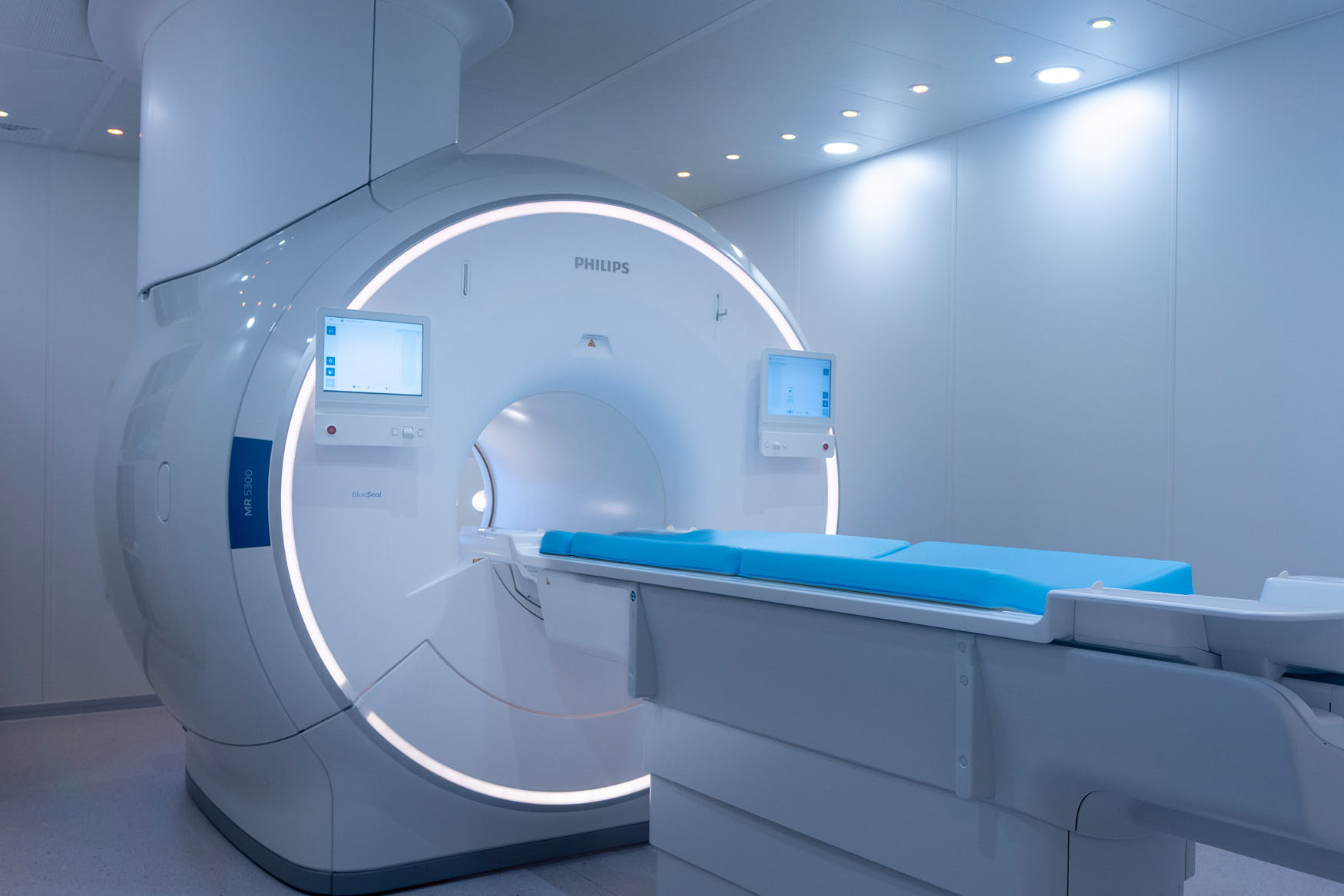
Cardiovascular MRI (cardiovascular magnetic resonance imaging) is one of the most advanced imaging techniques for cardiac examination. A study published in the journal ‘Nature Medicine’ showed that AI-powered cardiac MRI models can detect 11 cardiovascular diseases with high diagnostic precision, and in certain areas, surpassed the performance of experienced cardiologists [2].
At Buff Medical Resort, cardiac MRI is therefore not just a technical procedure, but part of a medical approach that combines precision, early detection, and personalized prevention.
Heart health never stands alone
One of the most important insights of modern preventive medicine: Heart health should never be viewed in isolation. The heart is closely linked to:
• Metabolic health and insulin sensitivity
• Stress levels and the autonomic nervous system
• Sleep quality and recovery
• Mitochondrial health
• Physical resilience and long-term performance
To accurately assess heart health, these systems must all be considered. This is a crucial distinction in preventive medicine: it's not just about gathering data, but about understanding the underlying connections.
Who can benefit from early cardiac diagnostics?
Early cardiac diagnostics is particularly relevant for individuals who:
• wish to remain high-performing and resilient in the long run
• face high professional or personal demands
• prioritize heart health proactively, not just in response to symptoms
• seek to leverage modern preventive medicine and longevity strategies
• value medical precision and personalized assessment
The preventive benefit: No acute symptoms are required. Early cardiac diagnostics is not only relevant for those with existing conditions, but especially for individuals who wish to gain clarity proactively.

Why Early Cardiac Diagnostics is Also Important for Longevity
Longevity means not just living longer, but staying healthy, resilient, and functional for longer. At Buff Medical Resort, we therefore speak of the ‘Healthspan’ – the extendedperiod during which a person is healthy throughout their life. The cardiovascular system fundamentally influences energy, resilience, physical stability, and long-term health.
Early cardiac diagnostics is therefore not just a medical intervention. It is a central component of a long-term health philosophy and a serious longevity strategy.
Heart Health at Buff Medical Resort
At Buff Medical Resort, heart health is a fundamental part of our medical philosophy. Our approach combines modern preventive medicine, precise diagnostics, and personalized support, in an environment focused on regeneration, clarity, and long-term health.
Cardio-MRI, in this context, integrates with metabolic health, regeneration, mitochondrial health, and personalized health programs to form an approach that views cardiac diagnostics not as an isolated examination, but as part of a comprehensive health strategy.
Conclusion
Early cardiac diagnostics are more important than ever today, as many changes in the cardiovascular system often go unnoticed for a long time. Cardiovascular diseases remain the leading cause of death in Europe [1], yet they are also among the most preventable. Understanding heart health earlier and more precisely creates better conditions for prevention, clarity, and long-term well-being.
Modern procedures like cardiac MRI offer a particularly precise view. At Buff Medical Resort, heart health is therefore a central component of modern preventive medicine, combining diagnostics, regeneration, and individualized medical support.

FAQ
What is early heart diagnostics?
Early heart diagnostics involves a closer examination of heart health even before significant symptoms appear, to better understand risks and contributing factors sooner, and to enable preventive action.
Why is early cardiac diagnosis important?
Cardiovascular diseases often progress unnoticed for years. According to the ESC (European Society of Cardiology), CVD (Cardiovascular Disease) is the leading cause of death in Europe, with over three million deaths per year [1]. Early diagnosis enables more targeted intervention before damage becomes irreversible.
What is a Cardiac MRI and what can it detect?
Cardiac MRI is a modern imaging technique for the precise examination of the heart. It can assess heart structure, function, and functional relationships in detail and, according to ESC guidelines, is considered particularly valuable for detecting subclinical changes such as myocardial fibrosis [4].
Who can benefit from early cardiac diagnostics?
For individuals who want to proactively understand their heart health, plan for long-term prevention, and make targeted use of modern preventive medicine, even without acute symptoms.
What role does heart health play in longevity?
Heart health is an essential foundation for long-term resilience, performance, and healthspan, making it a central component of modern longevity concepts.
.jpg)





.svg)