.png)
If you sleep, you are healthy. That is roughly the implicit assumption many people make. If you sleep, you recover. If you recover, you are more productive. That much is true.
What is overlooked, however, is that sleep is not a passive state. It is active biology. While you sleep, the brain cleanses itself, and the immune system coordinates and builds up its defenses. Hormones regulate themselves, and cells repair themselves. Medically speaking, sleep is the most productive phase of the day.
And that is precisely why sleep deprivation is not just a matter of comfort. It is a medical risk with measurable consequences.

What happens during sleep – a medical perspective
Sleep is divided into phases: light sleep, deep sleep, and REM sleep alternate in cycles. Each phase has specific biological functions:
● Deep sleep: The glymphatic system clears metabolic waste products from the brain, including beta-amyloid, alpha-synuclein, and tau protein. Growth hormones are released, and cell repair processes are in full swing [1].
● REM sleep: Emotional processing, memory consolidation, and cognitive integration take place. REM sleep is proven to enhance creativity and problem-solving skills.
● Light sleep: Transitional phases during which the nervous system regulates itself and prepares for the deeper stages.
What matters is not just the duration of sleep, but sleep architecture: the proportion of each phase, its depth, and its sequence. If you sleep for a long time but rarely reach deep sleep, you will not fully recover.
Chronic Sleep Deprivation: What the Research Shows
The findings are clear. Chronic sleep deprivation, even less than seven hours per night over an extended period, is associated with:
● Increased risk of cardiovascular diseases and heart attack [2]
● Metabolic dysregulation: insulin resistance, weight gain, increased diabetes risk
● Immunosuppression: reduced antibody production and increased susceptibility to infection
● Cognitive impairment: concentration, decision-making ability, and emotional regulation decline
● Increased dementia risk due to insufficient glymphatic clearance
Particularly relevant: Many of these consequences occur subclinically, meaning the affected person does not directly perceive them. One functions, but not optimally. And risks accumulate that only become apparent years later.
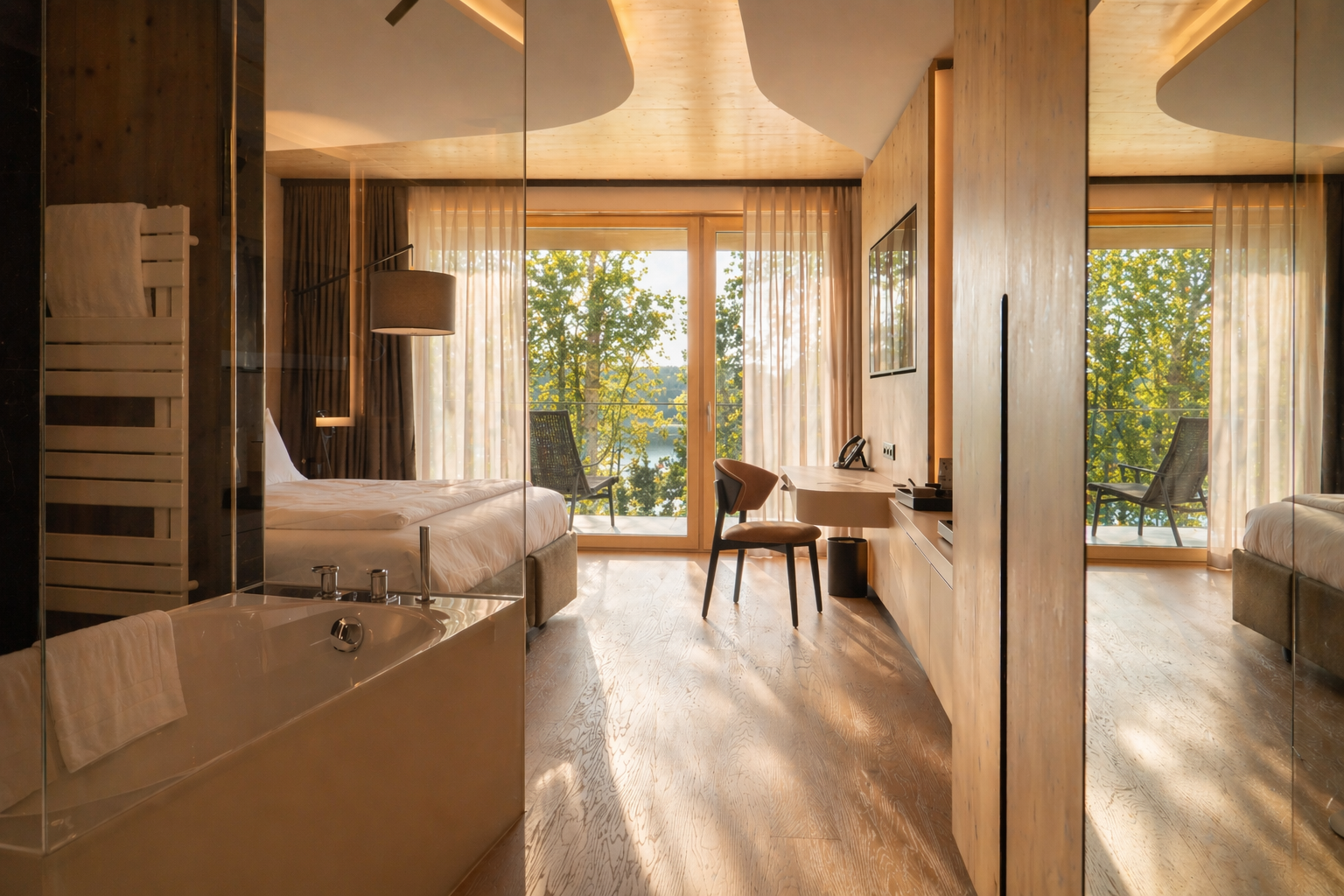
What really causes sleep disorders
Sleep disorders rarely have just one cause. At the Buff Medical Resort, we take a systematic approach:
● HPA axis dysregulation: A disrupted cortisol rhythm keeps the body on high alert in the evening. The classic pattern: feeling exhausted but unable to fall asleep.
● Melatonin imbalances: Insufficient or delayed melatonin release, often caused by light exposure or shift work.
● Sleep apnea: Frequently undiagnosed, it leads to drops in oxygen levels at night and fragmented deep sleep.
● Micronutrient deficiencies: Magnesium, zinc, vitamin D, and B vitamins play a direct role in sleep regulation.
● Gut-brain axis: A dysfunctional microbiome affects serotonin production and, consequently, sleep regulation.
Targeted therapy only makes sense once the root cause is identified. Sleeping pills do not address the cause; they merely mask it, often at the expense of your sleep architecture.
Sleep diagnostics and therapy at the Buff Medical Resort
At the Buff Medical Resort, sleep medicine begins with diagnosis, not recommendations. We assess sleep architecture, autonomic regulation, hormone profiles, and relevant micronutrient parameters as an integrated picture.
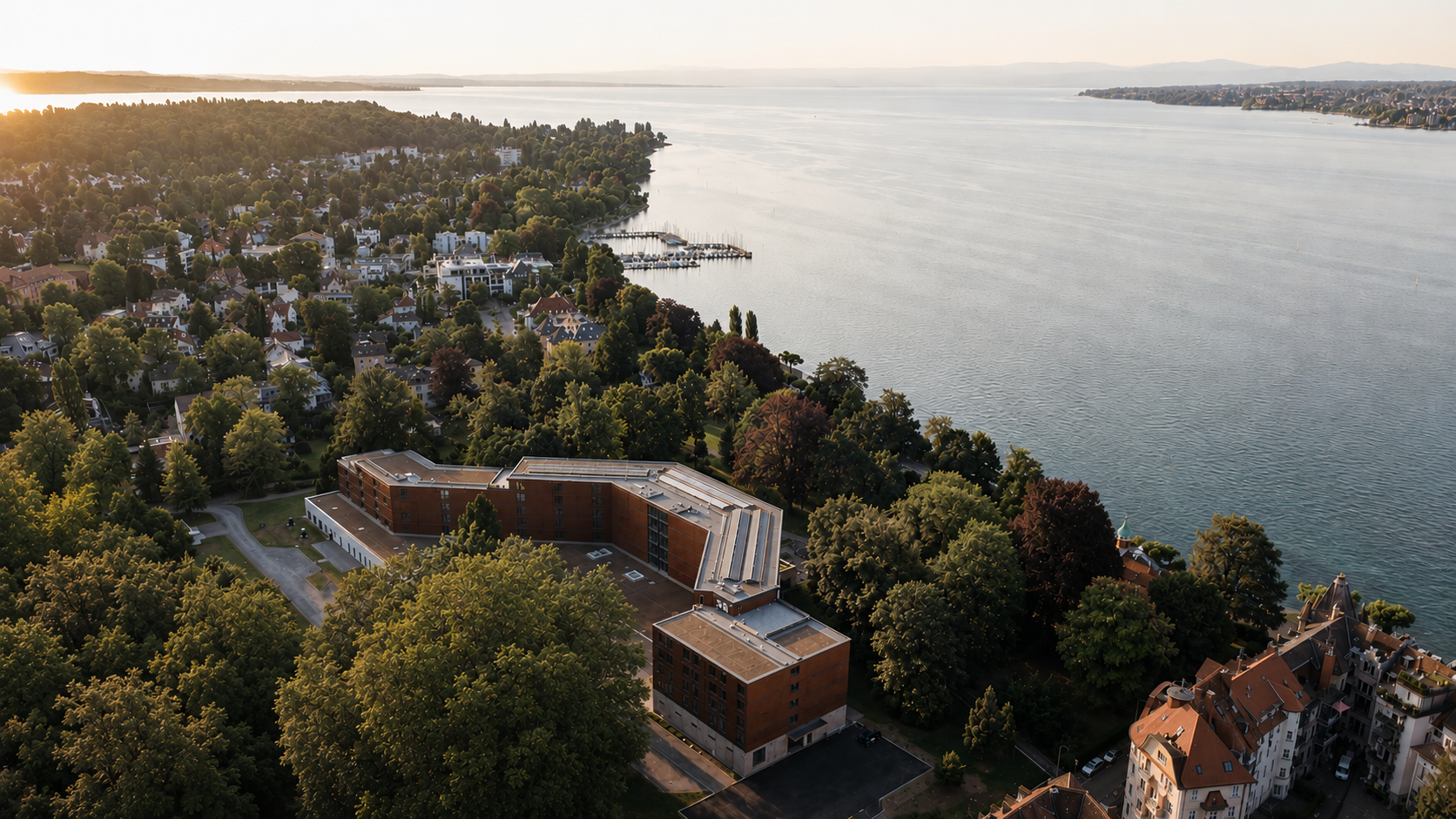
Building on this, we develop individual protocols that combine sleep environment, high-altitude climate, nutrition, stress regulation, and, where indicated, medical interventions. Located in one of the most beautiful spots on Lake Constance, our guests sleep in an environment that is medically sophisticated, not just comfortable.
Those who understand what really happens during their nights sleep better. And live healthier.
FAQ
How much sleep does an adult really need?
Most adults need seven to nine hours of sleep per night. However, sleep architecture is more important than duration: sufficient deep sleep for cellular repair and REM sleep for cognitive processing. In the long run, both too little and too much sleep are harmful.
What is sleep architecture and why is it important?
Sleep architecture refers to the sequence and proportion of the various sleep stages: light sleep, deep sleep, and REM sleep. Each stage serves specific restorative functions. An imbalanced ratio, such as insufficient deep sleep, leads to incomplete recovery despite an adequate total sleep duration.
What causes chronic sleep disorders?
Common causes include HPA axis dysregulation with elevated evening cortisol, impaired melatonin secretion, undiagnosed sleep apnea, micronutrient deficiencies, and gut microbiome dysbiosis. Accurate differential diagnosis is a prerequisite for effective therapy.
How does a lack of sleep affect heart health?
Chronic sleep deprivation increases the risk of hypertension, cardiac arrhythmias, and coronary heart disease. The mechanisms involved include increased sympathetic tone, inflammatory processes, and metabolic dysregulation. Sleep quality is an independent cardiovascular risk factor.
.jpg)




.svg)