
Genetic predisposition contributes to the risk of many chronic diseases, but it does not determine an individual's health trajectory. Family history is an important risk factor, but it is only one of many. Long-term health is shaped by the complex interplay of genetic predisposition, lifestyle, environmental factors, and metabolic health. Nutrition, physical activity, sleep, and stress influence biological processes through various regulatory mechanisms, including epigenetic mechanisms that help control gene expression.

What is epigenetics
Epigenetics describes the mechanisms that regulate gene expression without altering the underlying DNA sequence. It influences which genes in a cell are active or less active at any given time.
The most important epigenetic mechanisms include:
- DNA methylation: This involves attaching methyl groups to specific DNA segments. These chemical markers can influence gene expression. Changes in selected DNA methylation patterns are used, among other things, to estimate biological age in so-called epigenetic clocks.
- Histone modifications: DNA is wrapped around histone proteins. Chemical changes to these proteins influence how accessible individual genes are for gene expression.
- Non-coding RNA: Various RNA molecules regulate gene expression by, among other things, controlling the activity of specific genes.
Epigenetic patterns change over the course of a lifetime. Age, development, environmental factors, diet, physical activity, stress, and illness can influence these processes. Some epigenetic changes are reversible, while others persist over longer periods.
Epigenetic clocks: estimating biological aging
Epigenetic clocks are biomarkers in aging research that estimate biological age based on specific DNA methylation patterns. The first epigenetic clock was developed by Steve Horvath and later supplemented and refined by further models. They provide insights into biological aging processes that go beyond chronological age.
Studies show that differences between biological and chronological age can be linked to the risk of age-related diseases and mortality. Epigenetic clocks have established themselves as valuable research tools. However, their significance for routine clinical practice and individual treatment decisions continues to be a subject of scientific investigation.
Factors influencing biological aging
Current research findings indicate that various lifestyle and environmental factors may be associated with accelerated biological aging. The most significant include:
· Chronic psychosocial stress
- Persistent lack of sleep or poor sleep quality
- Smoking
- Obesity, particularly increased visceral fat mass
- Chronic low-grade inflammation
- Physical inactivity
These factors can influence metabolic and cellular processes and have been linked in studies to changes in epigenetic markers as well as accelerated biological aging. The underlying mechanisms and their clinical significance are the subject of ongoing research.

Factors associated with more favorable biological aging
Numerous studies suggest that certain lifestyle factors may be associated with more favorable biological aging and changes in epigenetic markers. These include:
- Regular physical activity: Linked to improved metabolic health and favorable changes in epigenetic markers.
- Mediterranean diet: A plant-forward diet rich in vegetables, fruits, whole grains, legumes, nuts, and olive oil is associated with healthy aging and favorable changes in biological markers.
- Calorie restriction and intermittent fasting: May influence metabolic and signaling pathways related to aging processes. Their long-term effects on biological aging in humans are still being studied.
- Adequate, high-quality sleep: Supports numerous regenerative and metabolic processes and is associated with better metabolic health.
- Stress management: Long-term effective management of chronic stress can have a positive impact on metabolic, inflammatory, and regulatory processes.
Epigenetics at the Buff Medical Resort
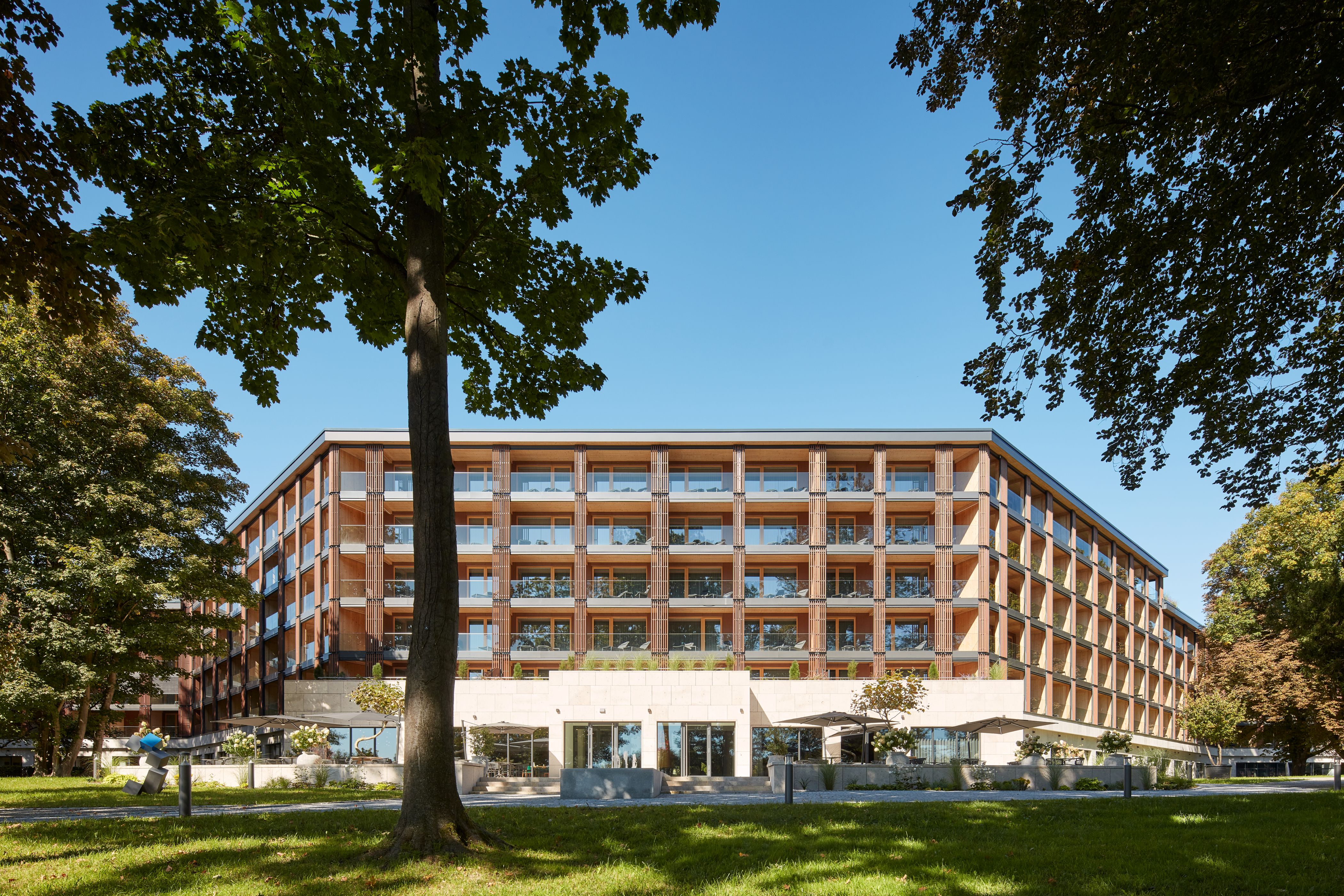
At the Buff Medical Resort, the latest scientific findings from genetics, epigenetics, and aging research are integrated into the medical assessment of complex health and risk profiles. The focus is not on the isolated examination of individual parameters, but rather on the interplay between genetic predispositions, metabolic processes, body composition, and modifiable lifestyle factors.
Based on a comprehensive medical evaluation, we develop personalized concepts grounded in current scientific findings, aimed at maintaining long-term metabolic health and reducing the risk of chronic diseases.
FAQ
What is epigenetics?
Epigenetics describes mechanisms that regulate gene expression without altering the underlying DNA sequence. Epigenetic processes influence which genes in a cell are more or less active at any given time. They are influenced by factors such as age, development, environmental conditions, and lifestyle.
What are epigenetic clocks?
Epigenetic clocks are scientific models that estimate biological age based on specific DNA methylation patterns. They have become essential research tools, providing insights into biological aging processes. Their significance for routine clinical practice and individual treatment decisions is currently being further investigated.
Can biological aging be influenced?
Biological aging is influenced by genetic predisposition, metabolic processes, lifestyle, and environmental factors. Evidence-based preventive measures include regular physical activity, a Mediterranean-style diet, adequate sleep, stress management, avoiding smoking, and moderate alcohol consumption. Furthermore, environmental stressors such as air pollution and certain toxins have been linked to biological aging processes. The impact of these factors on epigenetic mechanisms is a subject of ongoing research.
.jpg)




.svg)