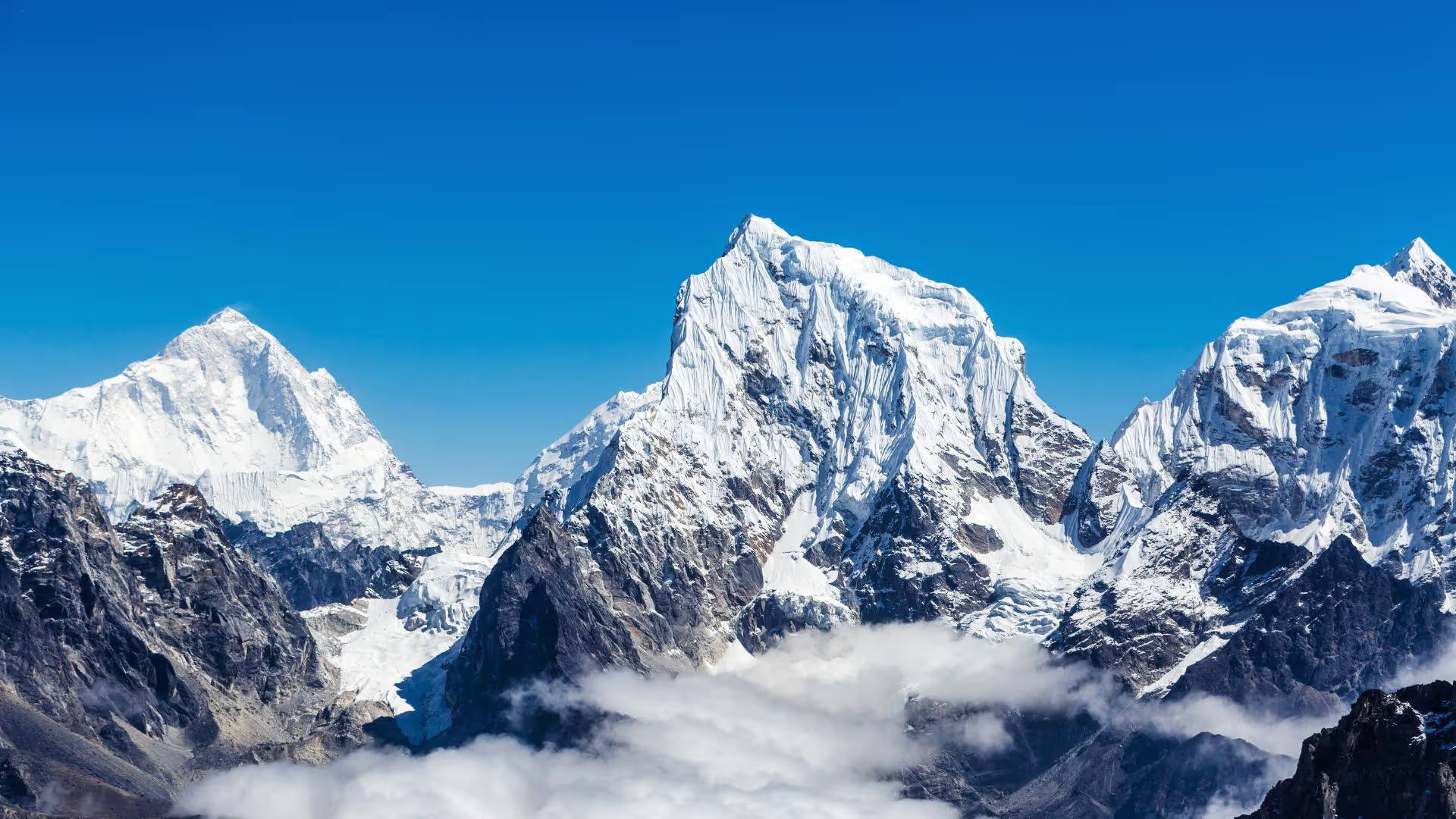
What happens in the body when oxygen becomes scarce?
Imagine the body as a highly complex supply system: billions of cells, dependent on oxygen around the clock. When this oxygen becomes scarce, something remarkable happens. The system adapts.
The central player in this is a transcription factor named Hypoxia-Inducible Factor 1-alpha, or HIF-1alpha for short. It is the cell's crisis manager. The moment oxygen supply drops, it activates a program that makes the cell more efficient: new blood vessels are formed, mitochondria are optimized, and antioxidant defense systems are ramped up.
What is HIF-1alpha?
Hypoxia-Inducible Factor 1-alpha is a transcription factor that is activated in cells when oxygen levels drop. It controls the expression of genes that improve oxygen supply, optimize mitochondria, and protect antioxidant systems. The discovery of the HIF system was awarded the Nobel Prize in Medicine in 2019.
Current research shows: This adaptation is not limited to extreme situations. Even moderate, intermittent hypoxia, such as that occurring in controlled altitude climate applications, activates HIF-dependent protective mechanisms and promotes tissue regeneration as well as mitochondrial health [1, 2].

Intermittent Hypoxia and Muscle Regeneration: New Evidence
A 2024 study published in the Journal of Physiology by the University of Barcelona provides the first direct evidence: Intermittent hypobaric hypoxia significantly accelerates muscle regeneration after injuries, surpassing traditional cryotherapy in both speed and completeness of recovery[3].
The mechanism: Hypoxia activates signaling pathways that stimulate muscle repair cells, reduce fibrosis, and restore tissue integrity. Simply put: The lack of oxygen forces the cell to become more creative, and in doing so, it becomes stronger.
Thin air is not a deficiency. It's a stimulus. And like all precisely dosed stimuli, it triggers adaptation processes that extend far beyond the immediate moment.
Passive Altitude Conditioning and Active IHT: Two Approaches, One Goal
At the Buff Medical Resort, two forms of altitude conditioning are available, which complement each other but should not be confused.
Passive Altitude Conditioning (in the suites and rooms)
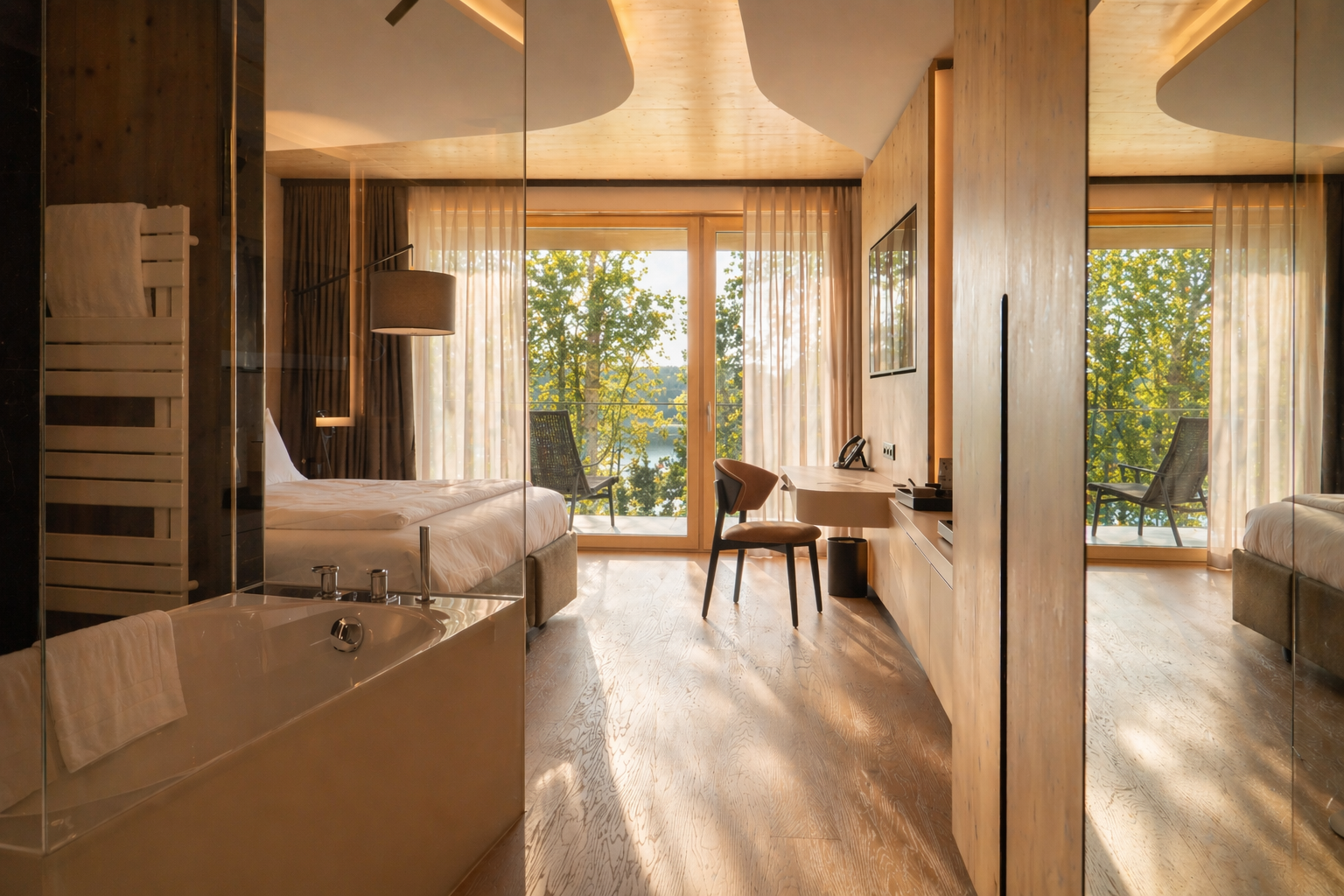
In specially calibrated rooms, a moderate oxygen level is set during sleep, simulating physiological altitude conditions. The effect is gentle and cumulative: the body adapts overnight, without active exertion. Sleep quality, oxygen utilization, and depth of recovery are promoted.
Active IHT (Intermittent Hypoxic Therapy)
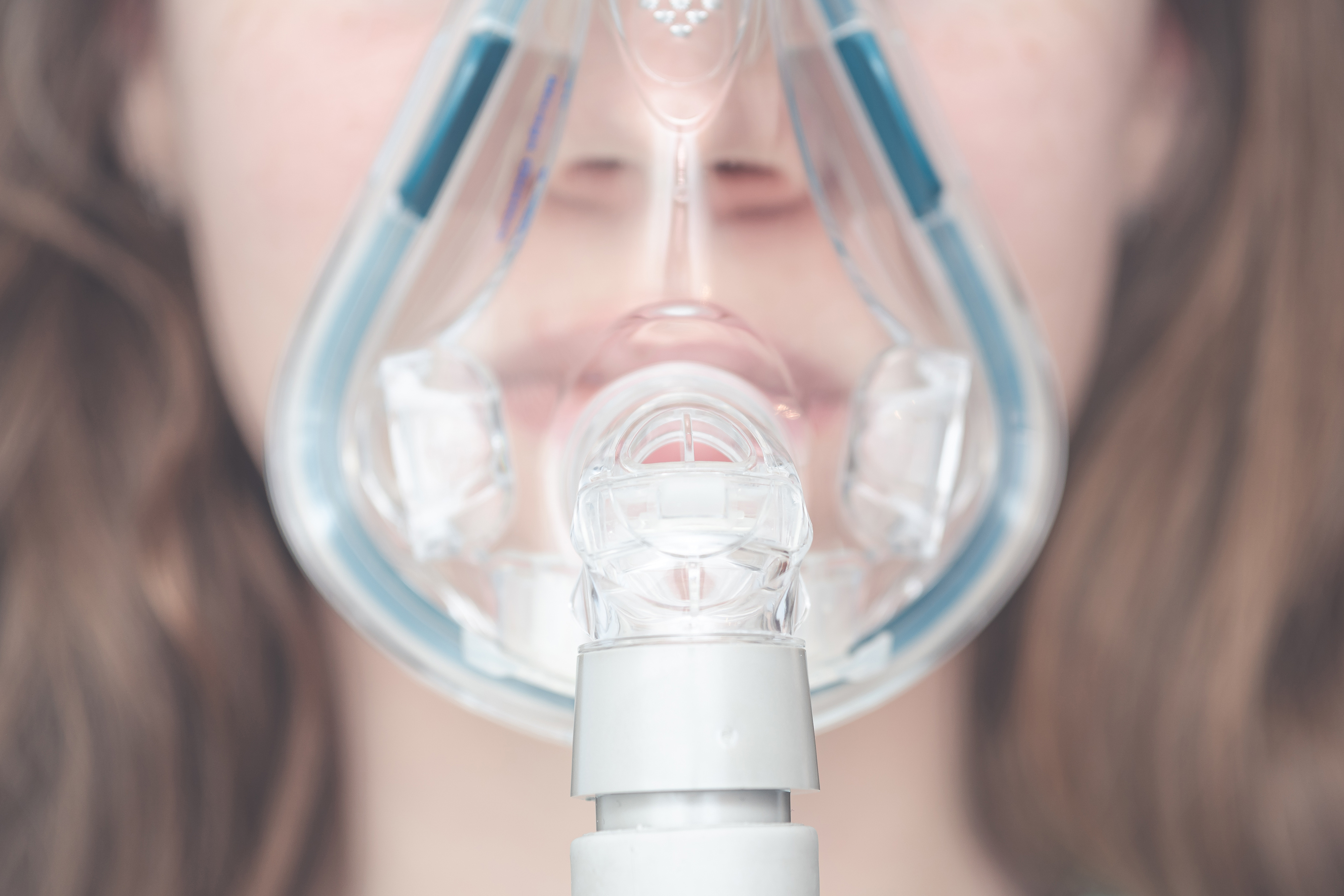
During IHT, targeted alternating exposures to low-oxygen air are performed in active therapy sessions while awake. These controlled stimuli activate HIF mechanisms, promote mitochondrial biogenesis, and improve cardiovascular adaptability. IHT is an active, medically supervised therapy.
Both methods do not compete with one another. They operate on complementary levels. Passive altitude conditioning optimizes sleep and nocturnal regeneration. Active IHT provides more targeted physiological stimuli. In combination, this creates an approach that is rare in this form.
Sleep at Altitude: Recovery in a New Dimension
Sleep is the body's most crucial period for recovery. Sleeping in an altitude climate combines two of the most effective regenerative stimuli: the depth of sleep and the adaptive effect of moderate hypoxia.
The result: The body not only works more efficiently during recovery, but it also adapts. Oxygen transport, mitochondrial capacity, and antioxidant systems are optimized during the night. Those who sleep in an altitude climate wake up physiologically more refreshed after a few days of adaptation.
High Altitude and Longevity: Cellular Relevance
The link between high-altitude climate and longevity has been recognized for longer than often assumed. Studies frequently show that populations living at high altitudes exhibit more favorable cardiovascular profiles. This finding is now attributed to HIF-dependent protective mechanisms, improved mitochondrial function, and reduced systemic inflammation[2].
At a cellular level, this means: high-altitude climate exposure can activate mechanisms considered central in longevity research, including mitochondrial biogenesis, autophagy, and antioxidant protection.
Altitude Climate at Buff Medical Resort: Lake Constance – A Key Location Advantage
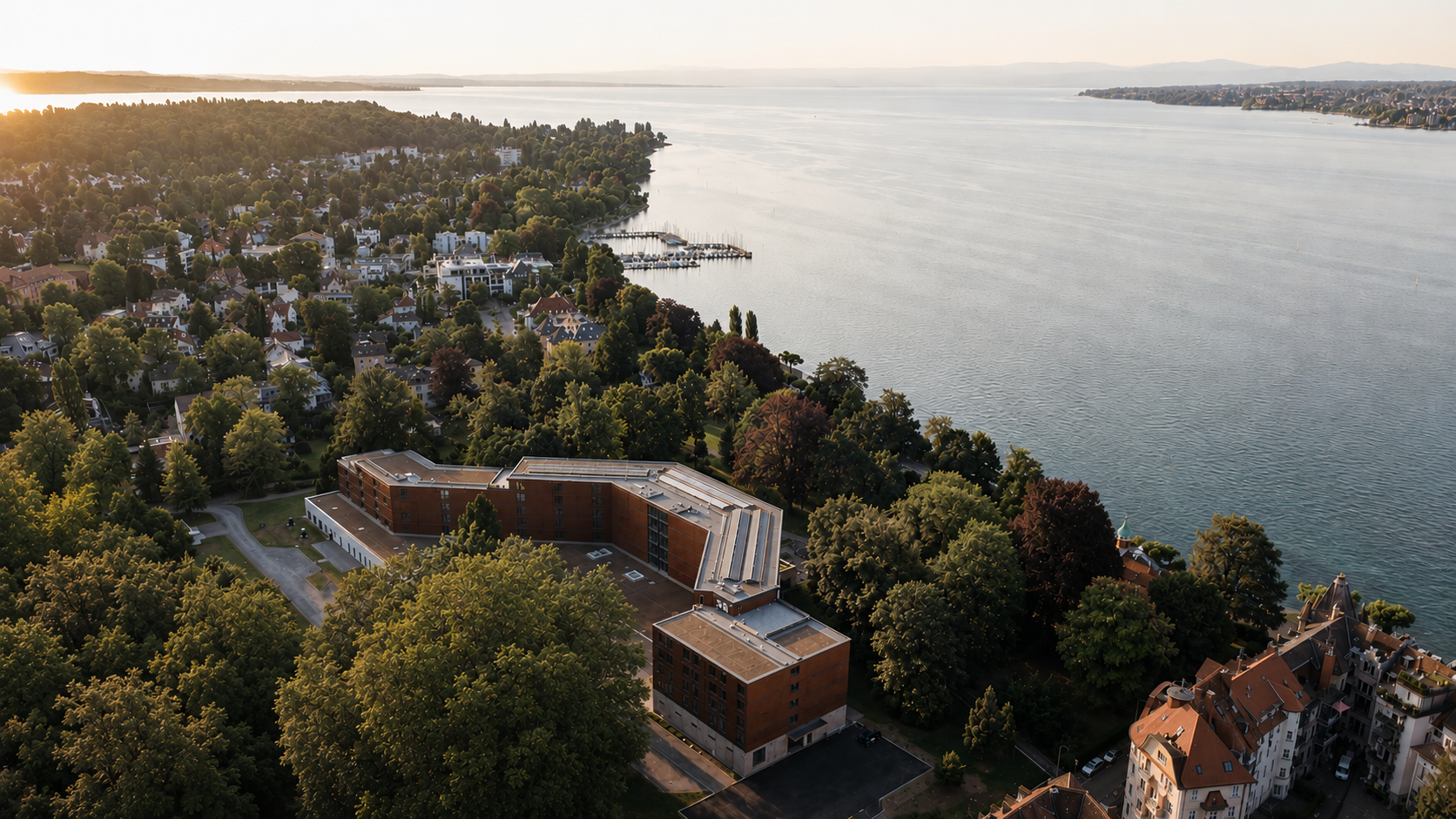
Nestled in the idyllic landscape of Lake Constance with views of the Swiss Alps, Buff Medical Resort in Constance is quietly and securely situated in a private park directly on the shores of Lake Constance. The mild climate and pristine nature shape the region's unique atmosphere and provide the best conditions for therapeutic success.
Complemented by medically calibrated altitude climate rooms and medically supervised IHT sessions, this creates an offering that consistently leverages this USP medically.
Altitude climate at Buff Medical Resort is not a decorative element. It is a precise therapeutic tool, embedded in a comprehensive approach of diagnostics, regeneration, metabolic medicine, and individualized support.
Conclusion
Altitude climate and cell regeneration are not a niche topic for extreme athletes. They represent a medically substantiated approach that uniquely combines sleep, cell regeneration, mitochondrial health, and cardiovascular adaptation.
At Buff Medical Resort, altitude climate medicine is a true differentiator: because it is evidence-based, medically supervised, and integrated into a holistic approach that delivers long-term results.
FAQ
What is altitude therapy?
Altitude therapy involves controlled exposure to air with reduced oxygen content: either passively during sleep in calibrated rooms or actively as IHT sessions. It activates adaptive cellular mechanisms and promotes regeneration, mitochondrial function, and cardiovascular health.
What is IHT?
IHT, or Interval Hypoxia Therapy, is an active form of therapy that involves controlled alternation between oxygen-deficient air and normal room air to activate physiological adaptation processes, all under medical supervision.
How do passive altitude exposure and IHT differ?
Passive altitude exposure works during sleep: gently and cumulatively. IHT is an active therapy session performed while awake, with targeted hypoxia intervals. Both complement each other and operate on different levels.
What scientific evidence is there for high-altitude climate and regeneration?
A 2024 study published in the Journal of Physiology for the first time demonstrates that intermittent hypobaric hypoxia has been shown to accelerate muscle regeneration after injuries [3]. Further studies confirm effects on mitochondrial function, inflammation regulation, and cardiovascular adaptation [1, 2].
Is high-altitude climate also relevant for non-athletes?
Yes, particularly in preventive medicine. The activated mechanisms, HIF-1alpha, mitochondrial biogenesis, and antioxidant protection, are relevant for anyone interested in longevity, regeneration, and long-term health.
.jpg)




.svg)